- 1
- 1
- 1
- 2
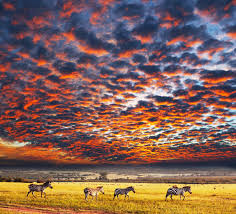
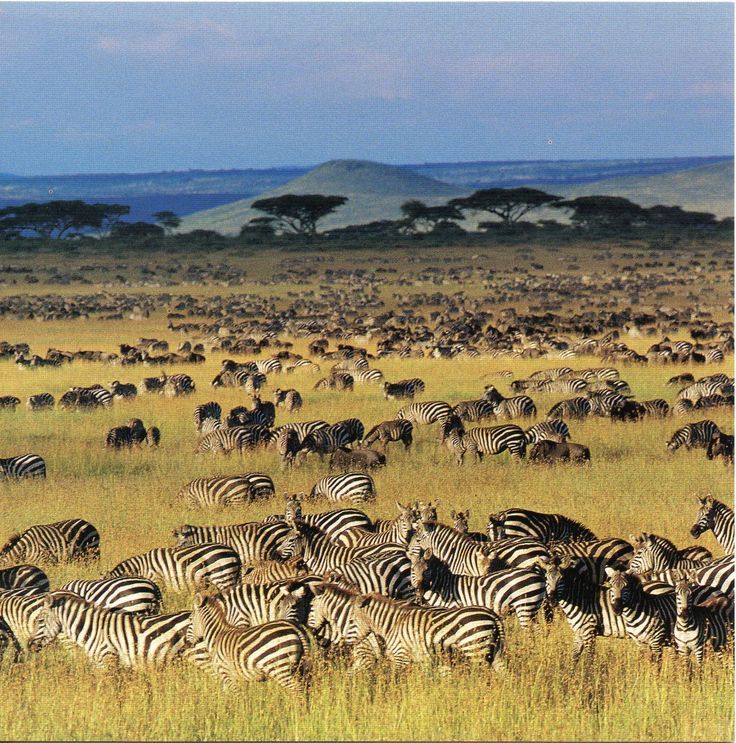
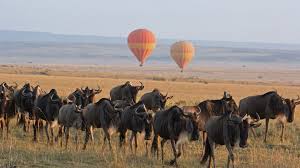
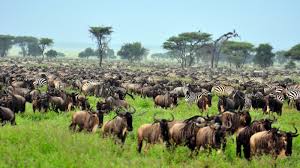
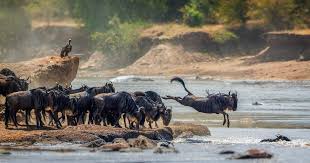
Serengeti National Park is one of the world’s most renowned wildlife conservation areas, famous for its stunning natural beauty, rich biodiversity, and scientific importance. Established in 1952, the park covers approximately 14,763 square kilometers in northern Tanzania and hosts the largest concentration of plains game in Africa. It is best known for the Great Migration, during which millions of wildebeest, zebras, and other animals move across the ecosystem in search of fresh grazing land.
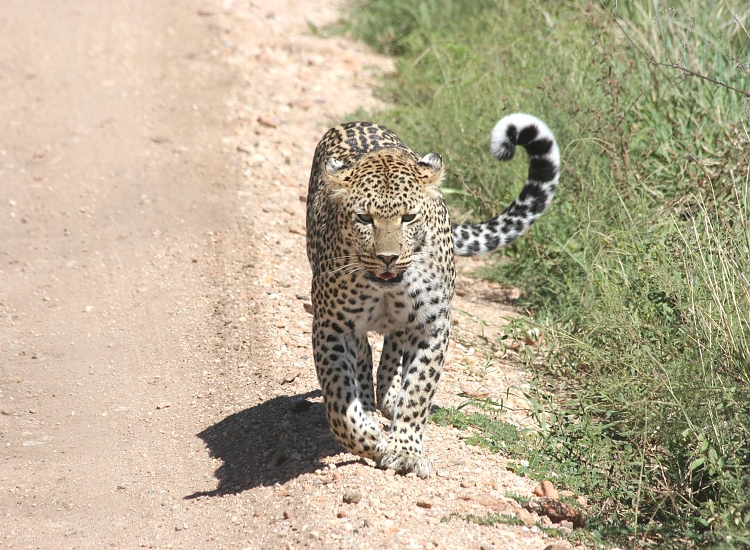
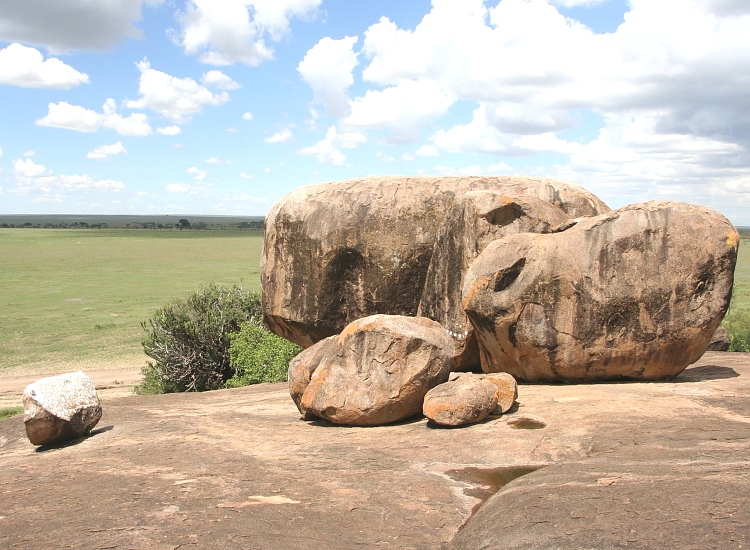
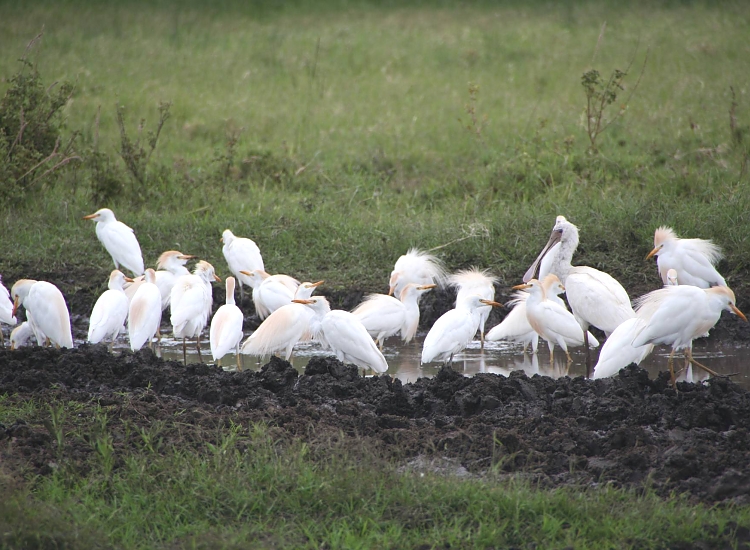
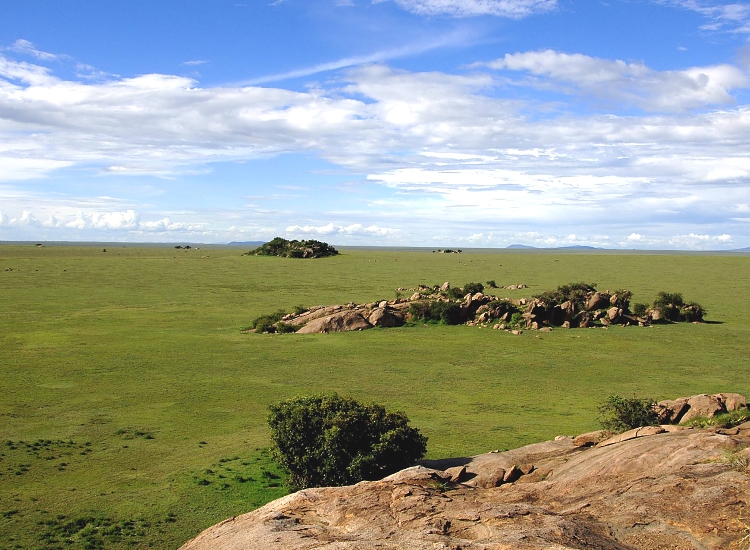
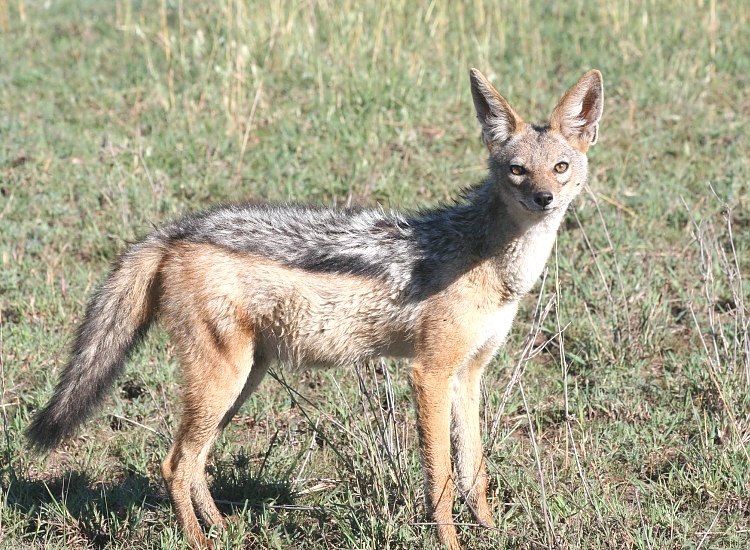
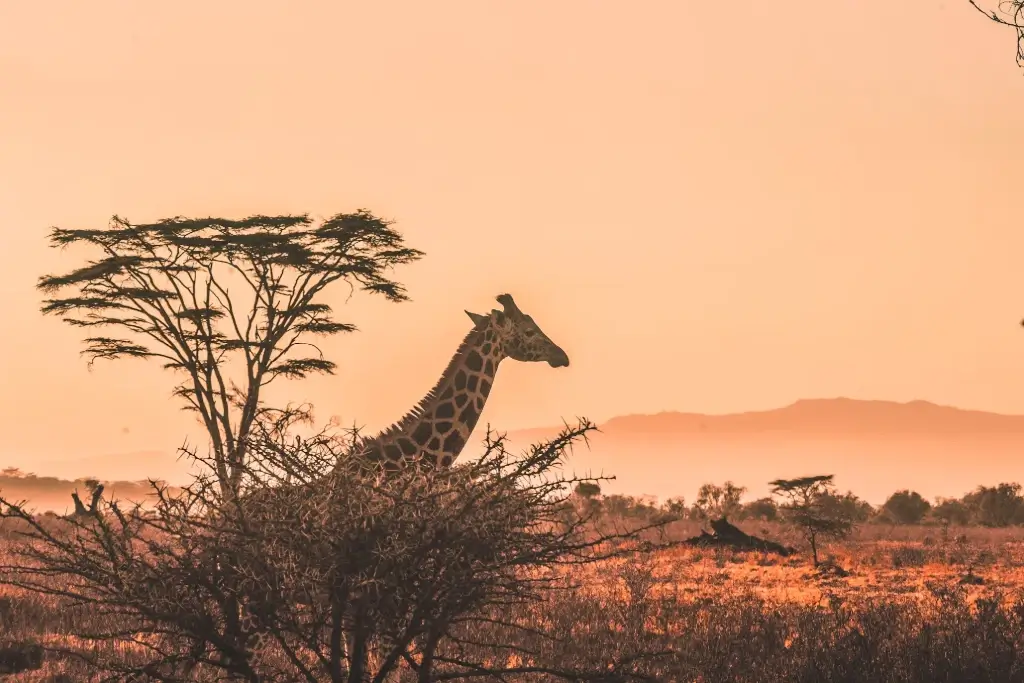
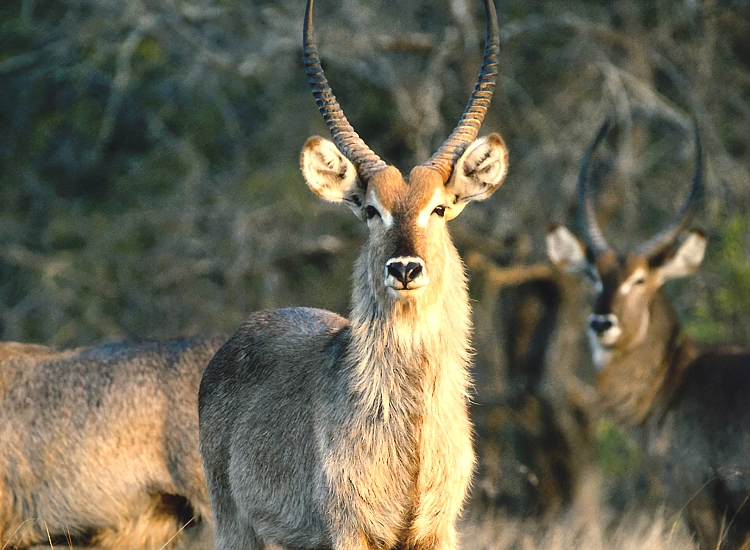
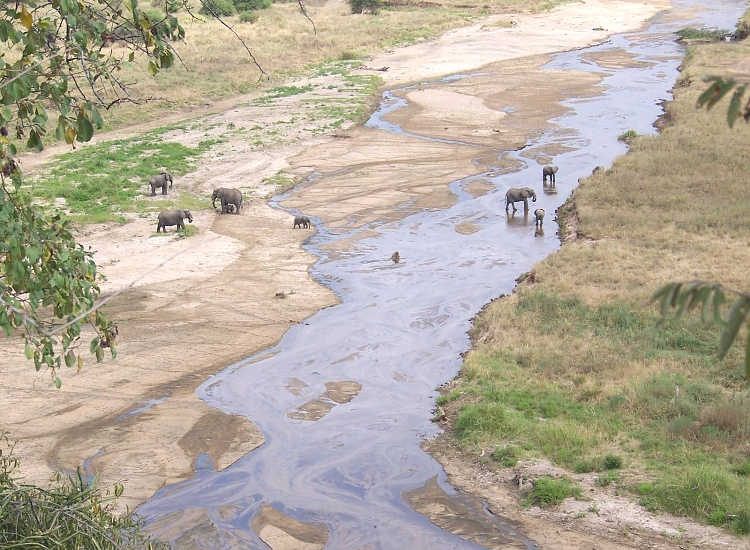
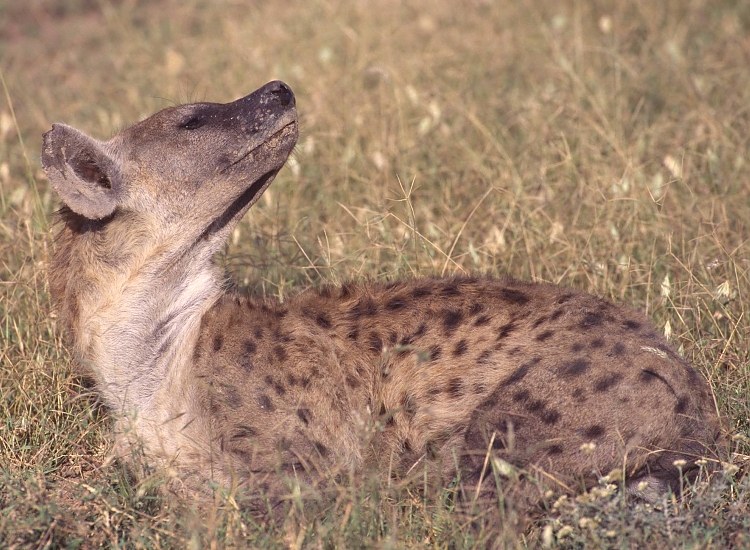
The park is home to a diverse range of wildlife, including lions, cheetahs, elephants, giraffes, leopards, and hundreds of bird species. Its landscape consists of vast savannah plains, riverine forests, and rolling hills, providing habitats for numerous animal species. The Serengeti is divided into several regions, including the central Seronera Valley, the Western Corridor along the Grumeti River, and the less-visited northern area bordering the Masai Mara National Reserve.
The greater Serengeti ecosystem extends beyond the national park and is recognized internationally for its ecological significance. It includes UNESCO-protected areas and biosphere reserves that support conservation, research, and sustainable tourism. The ecosystem has inspired countless writers, filmmakers, photographers, and scientists due to its exceptional wildlife and natural landscapes.
As one of the oldest ecosystems on Earth, the Serengeti has remained largely unchanged for over a million years. Nearby, Olduvai Gorge provides important evidence of early human evolution, making the region significant not only for wildlife conservation but also for understanding human history. Today, Serengeti National Park continues to be a symbol of Tanzania’s natural heritage and one of Africa’s most iconic tourist destinations.