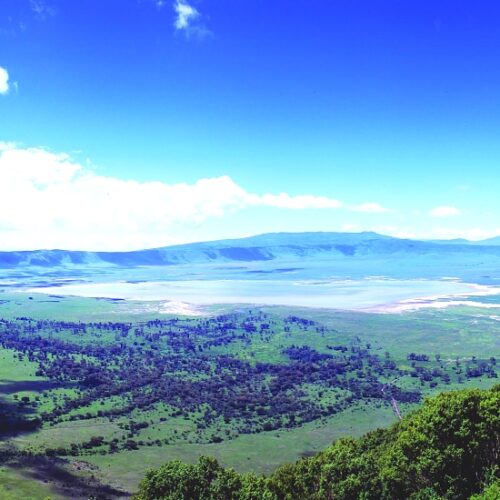
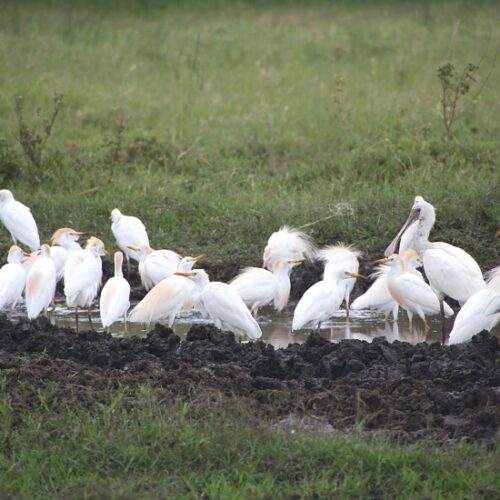
The Ngorongoro Crater is one of Africa’s most remarkable natural attractions and the world’s largest intact, unbroken volcanic caldera. Formed approximately 2.5 million years ago when a massive volcano collapsed inward, the crater covers about 265–300 square kilometers, is around 20 kilometers wide, and reaches depths of up to 600 meters.
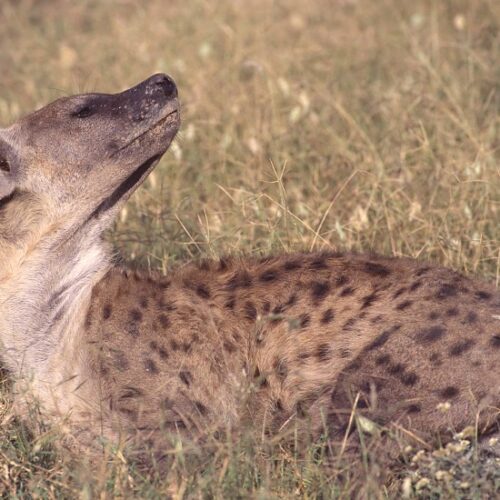
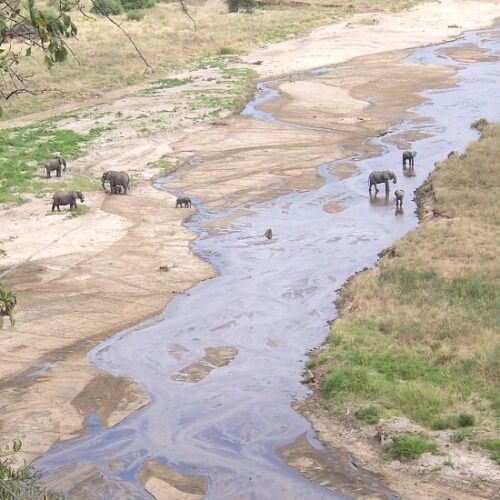
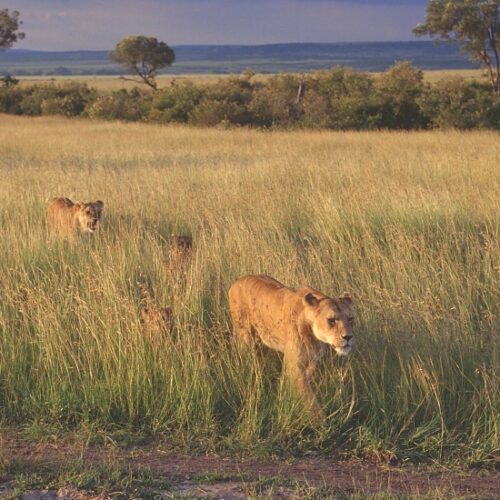
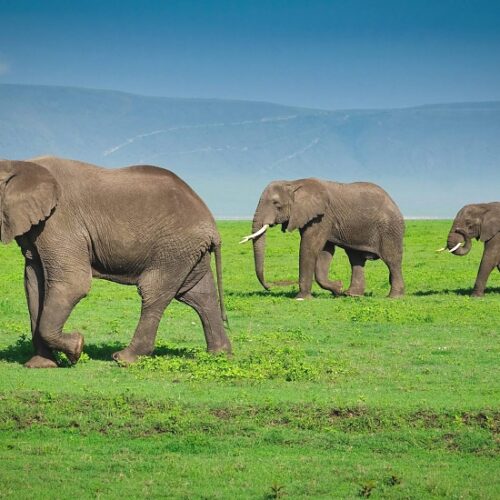
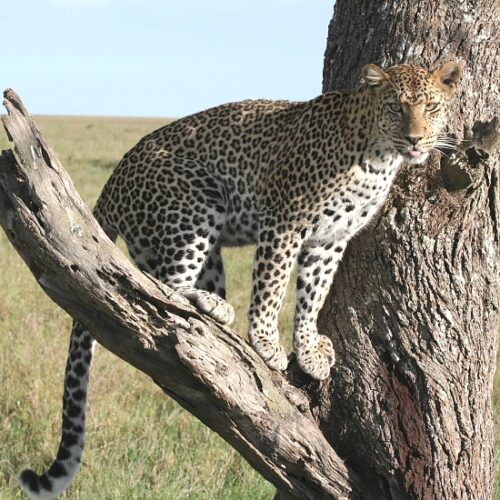
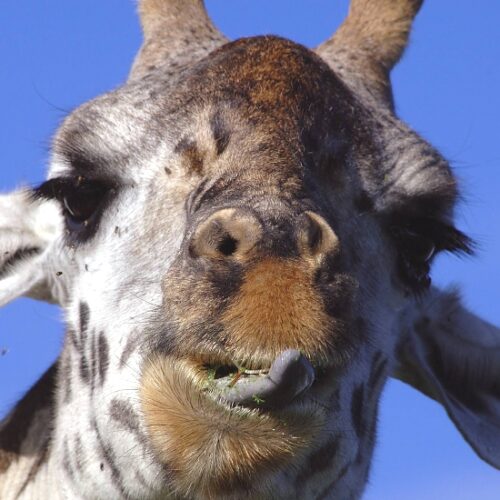
Often referred to as the “Eighth Wonder of the World,” the crater is famous for having one of the highest concentrations of wildlife in Africa. It supports around 30,000 animals, including a wide variety of grazers and predators, making it one of the best locations for wildlife viewing on the continent.
The name Ngorongoro is derived from the Maasai phrase “orgirra le kkorongorro,” meaning “Big Bowl,” a reference to the crater’s distinctive shape. The crater floor contains diverse habitats such as grasslands, forests, swamps, and Lake Makat, a soda lake fed by the Munge River. These ecosystems provide food, water, and shelter for wildlife throughout the year.
Situated at an elevation of over 2,200 meters, the crater rim has its own cooler climate and offers breathtaking views of the wildlife-rich landscape below. The fertile volcanic soils, abundant water sources, and enclosed environment make the Ngorongoro Crater one of Tanzania’s most unique and important conservation areas.